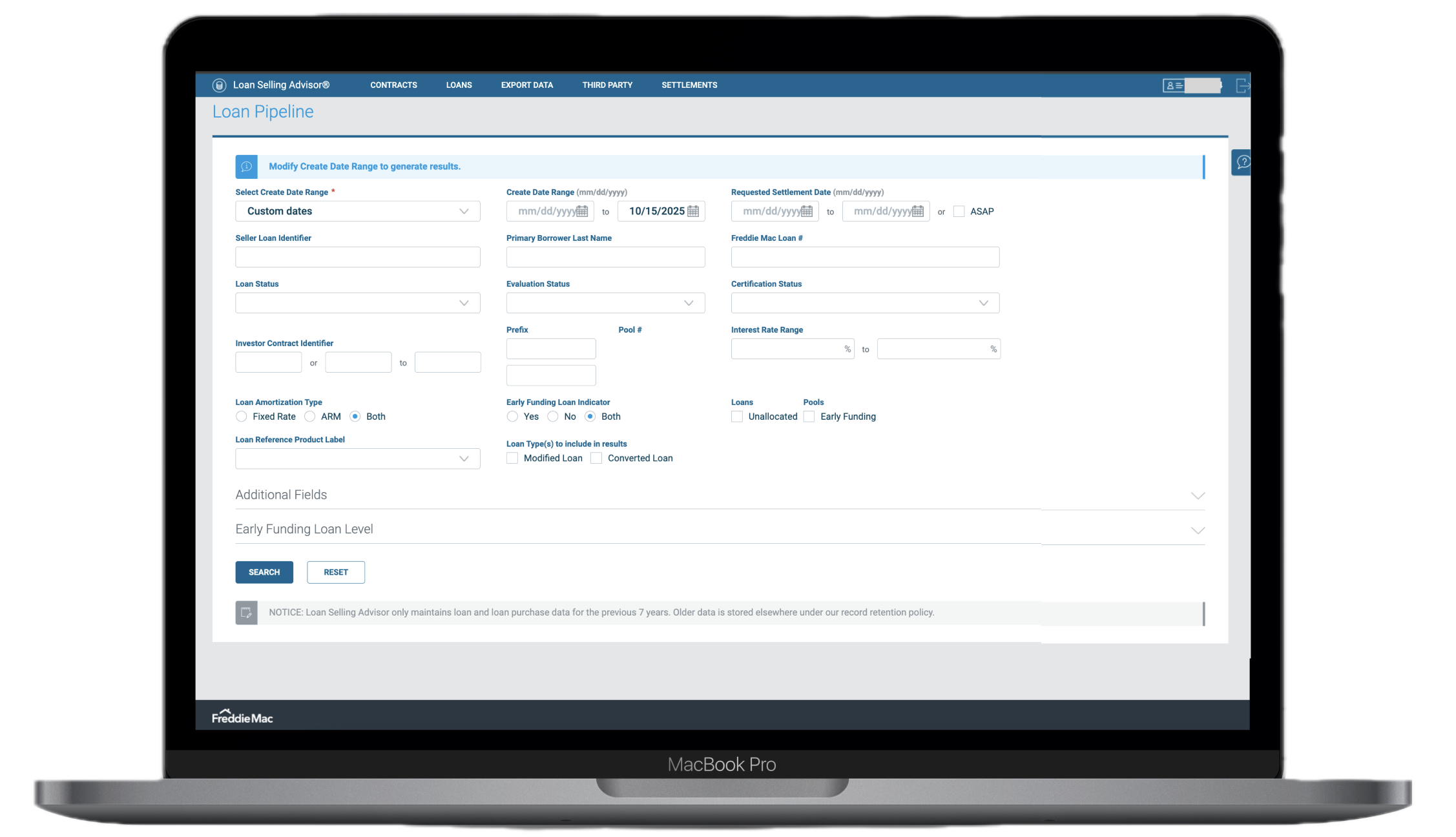
The legacy Loan Selling Advisor pipeline; 15 filters, no real-time feedback, and a workflow that forced users to start over on errors
Redesigning how lenders manage thousands of loan records across a brittle, decade-old platform; cutting evaluation time in half, reducing filter errors by 40%, and giving high-stakes financial users the visibility and confidence to act without second-guessing the system.
Loan Selling Advisor is Freddie Mac's core marketplace tool for lenders to sell and securitize loans. Built in 2016 without strong UX foundations, it had grown brittle over nearly a decade. Workflows were slow. Data visibility was weak. Users often felt they were fighting the system rather than working with it.
In 2023, Freddie Mac committed to a full modernization of the loan pipeline experience. My role: lead the UX design of the pipeline module; redesigning how lenders manage thousands of loan records, streamline decision-making, and reduce operational risk across a highly regulated financial environment.
The design problem was not about making things look better. It was about making things reliable, fast, and transparent in an environment where any inefficiency or error translates directly into cost, risk, and reputational exposure.
The legacy pipeline forced users into a frustrating loop: apply filters, drift out of context, execute a bulk evaluation, receive an error, and start over. Support ticket analysis confirmed what users were already saying; most errors stemmed from filter-action state misalignment and a complete lack of preview before high-stakes actions were confirmed.
For lenders managing high-value transactions at scale, this was not a usability inconvenience. It was operational risk.
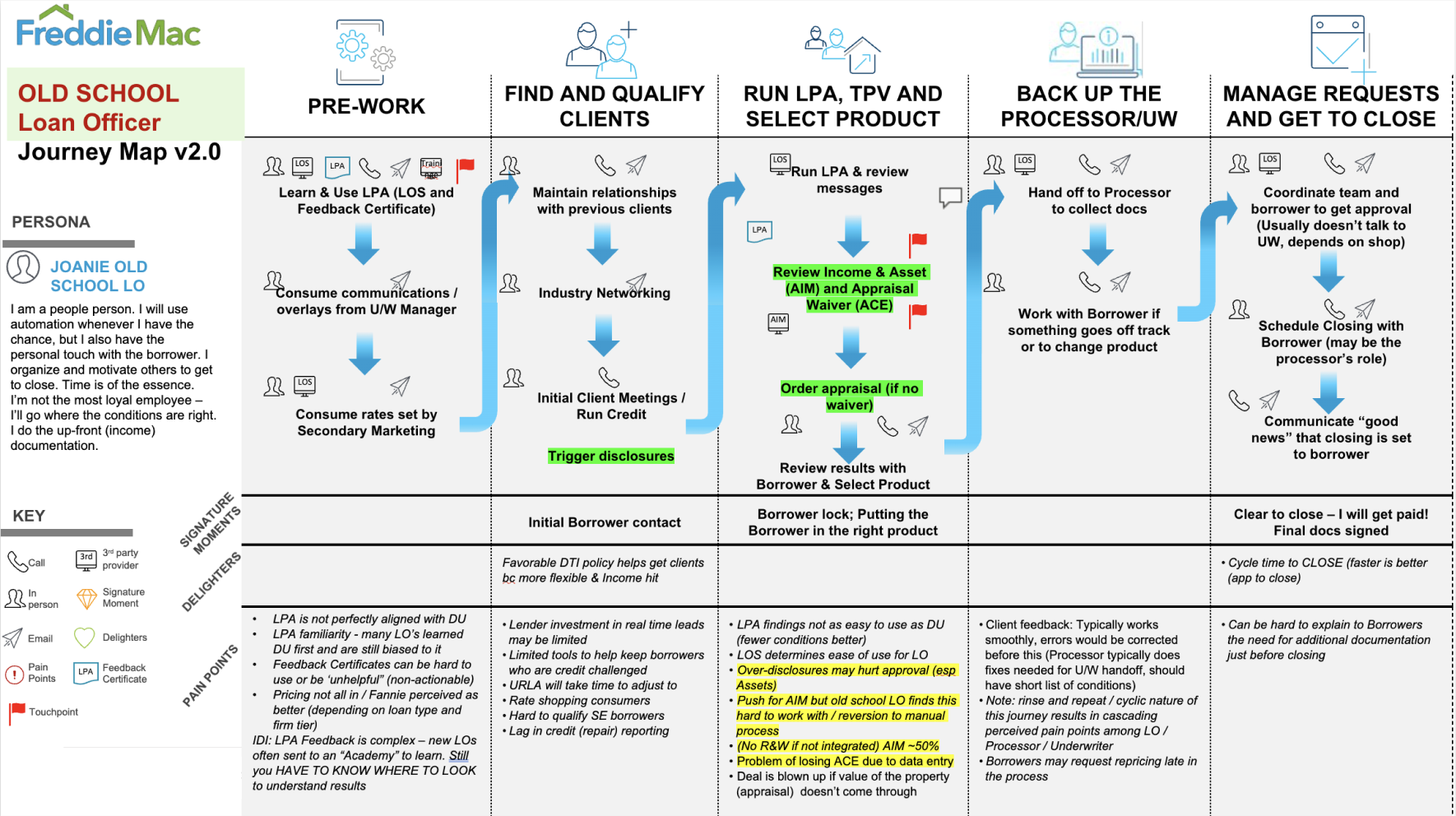
We started by mapping the full pipeline flow from loan ingestion through filtering, evaluation, pooling impact, and bulk action execution. From there I initiated direct research with both internal and external lender personas through user interviews and journey mapping.
User interviews revealed that most users relied on just 3 of the 15 available loan-status filters. The rest were noise; adding cognitive load without adding value. Journey mapping exposed the recurring failure pattern: users applied filters, lost context mid-task, executed actions, hit errors, and were forced to restart from scratch.
"For financial users working at scale, visibility of data and predictability of outcomes matter more than anything else. Users needed to see what will happen before they committed."
A key insight emerged from support-ticket analysis: many errors stemmed specifically from filter-action state misalignment. Users would set up a filtered view, get pulled into a different task, and execute bulk actions without realizing their context had shifted. The system gave them no way to verify what they were about to do before doing it.
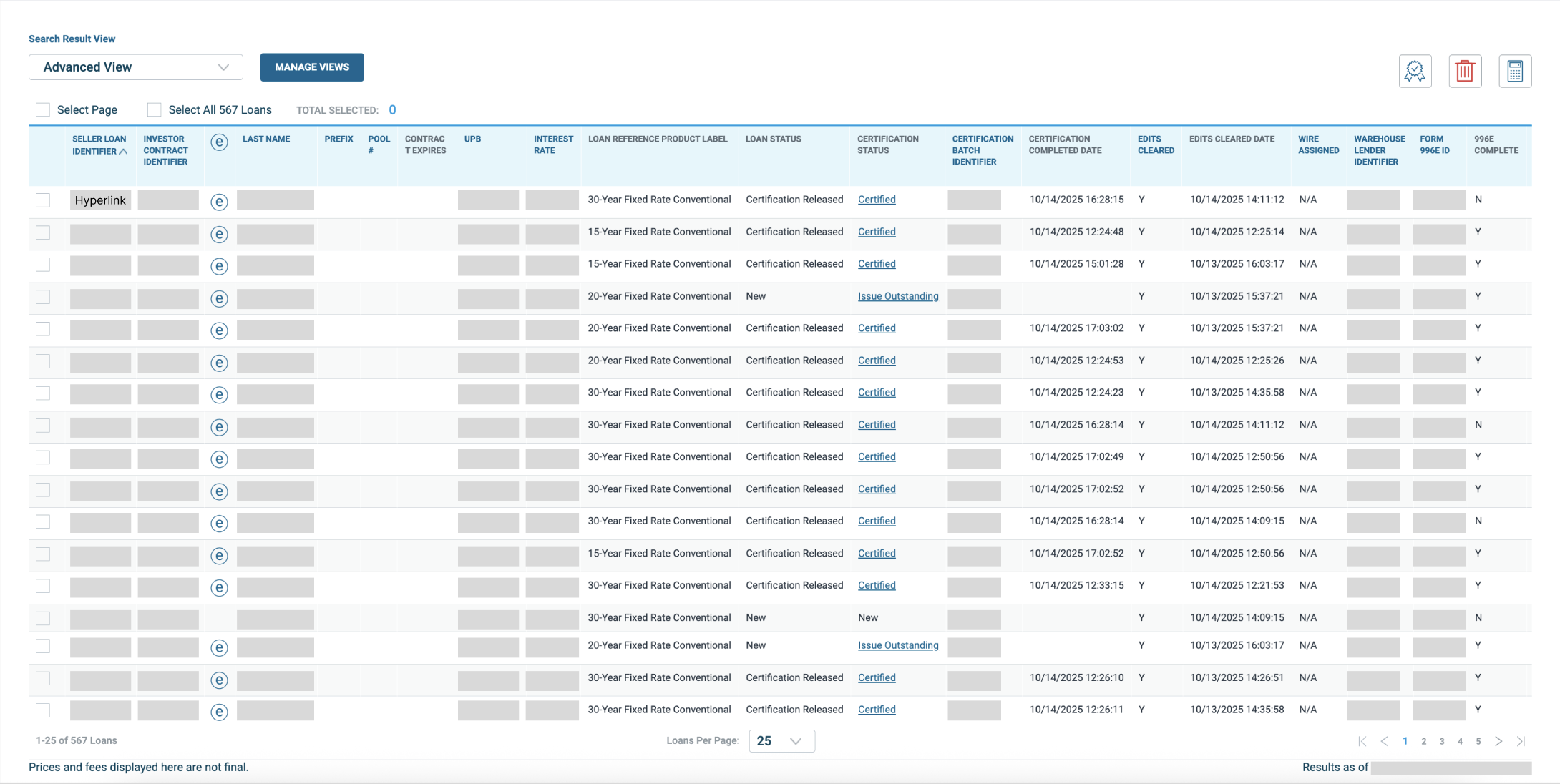
Our north star was straightforward: give users confidence before they act, not consequences after. I charted the legacy pipeline flow end to end, identifying every decision node, redundancy, and error state generating the most friction, then scoped an MVP targeting the highest-frequency pain points first.
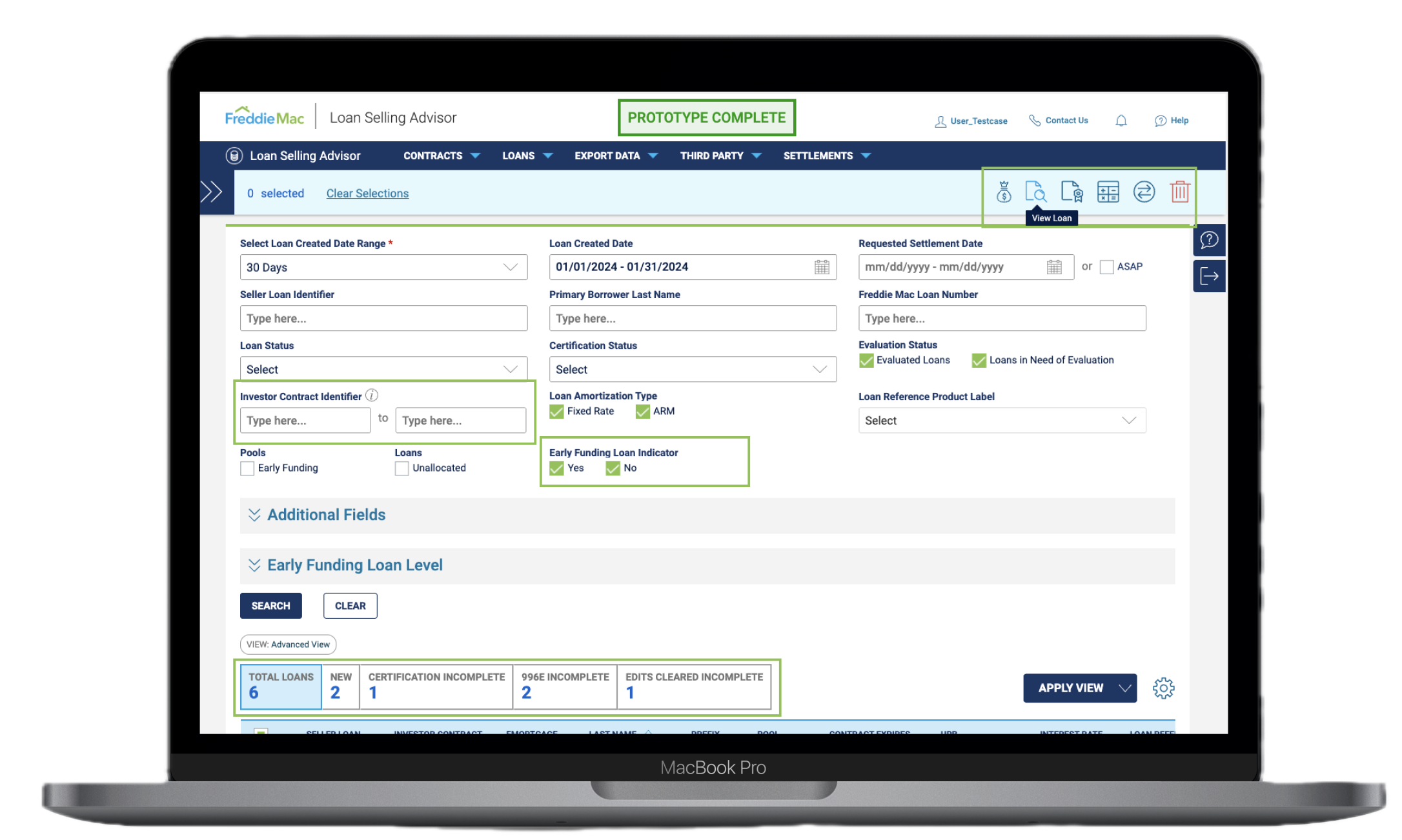
The redesign is now live in production and rolling out across the full LSA user base. It has improved operational efficiency, reduced support volume, and given lenders confidence in their actions within a system where a wrong move carries real financial consequences.
Designing for a high-stakes financial environment reinforced something I carry into every project: reliability and clarity are the foundations of trust. The most meaningful design decisions here were not about visual polish. They were about reducing friction, improving visibility, and making users certain before they act.
Phase 2 launches in 2026; refining visual hierarchy, extending the component library across other LSA modules, integrating live analytics dashboards, and targeting an additional 20% reduction in time-to-action.